By Selina Wren Lakeworth · Publisher: Bluewater Threshold Correspondence
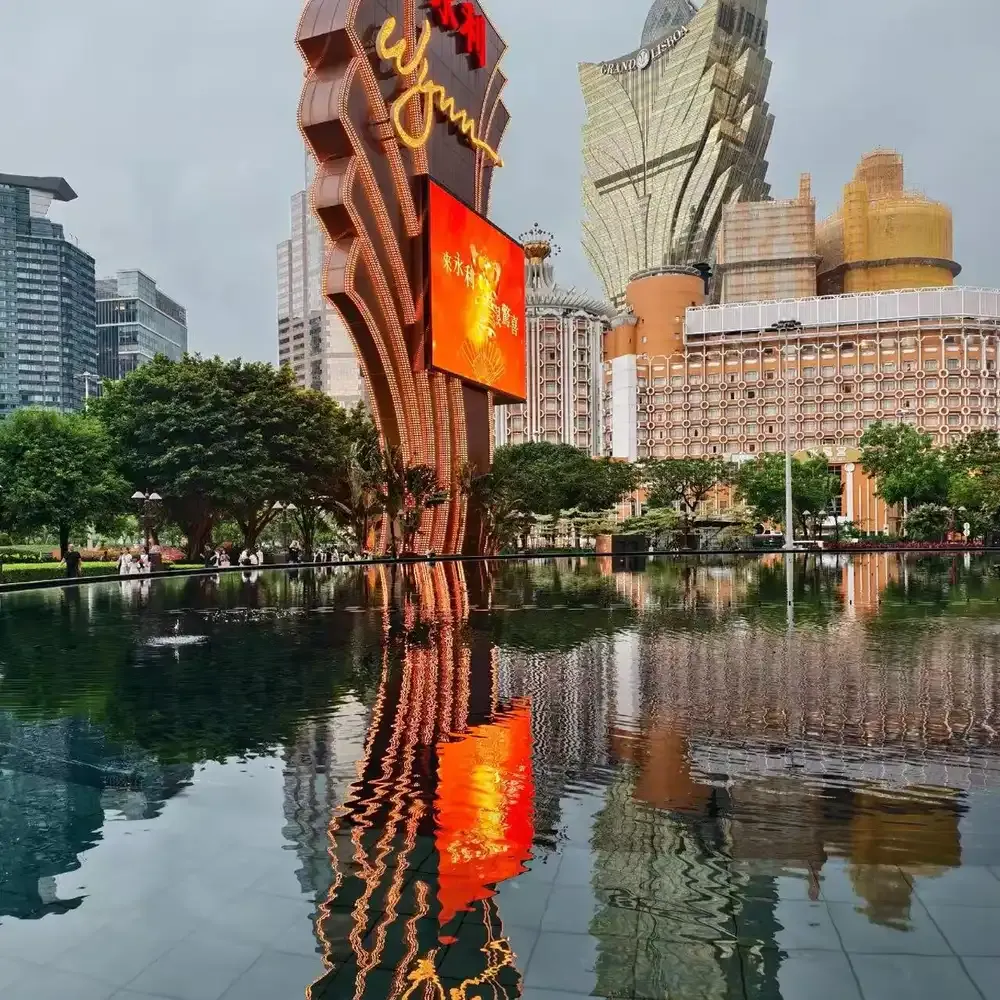
A lakeside arrival has two different views: the building seen across the water and the entrance reached with a suitcase. The first creates an impression; the second shapes the first hour of a stay. For a 2026 casino-resort trip, it helps to read the route as a sequence of thresholds rather than assume that an attractive waterfront photograph explains the journey.
The entrance is a practical address
Bluewater Lodge Hotel’s introduction describes waterfront gaming and lake-view hospitality. Those words establish the setting, but they do not specify a transport stop, a street entrance or a walking route. Before travelling, ask for the exact arrival address and the entrance intended for overnight guests. A casino entrance and a hotel reception door may serve different purposes.
Look beyond the distance marked on a map. Steps, exposed paving, doors and the place where a vehicle can stop all affect the route with luggage. Ask about the particular access you need rather than rely on a general description of convenience. A clear answer should explain the journey from the drop-off point to reception, including any alternative entrance.
Build a short arrival sequence
- Confirm the address and guest entrance against the booking details.
- Ask how to reach reception with luggage and any access requirements.
- Keep the arrival instructions available without depending on a live connection.
The point of this sequence is to remove small uncertainties before they meet a tired traveller. It is especially useful when a scenic route and a practical vehicle approach look similar on a small screen. Keep the confirmed instructions separate from photographs saved for inspiration; each has a useful role, but they answer different questions.
Reception connects the journey to the room
The first interior is more than a backdrop for check-in. It is where luggage changes hands, room access becomes clear and the evening starts to take shape. If arrival precedes room availability, ask what can actually be arranged. Storage, seating and access to facilities should be confirmed individually, rather than inferred from the presence of a large lobby.
| Space | Useful question |
|---|---|
| Arrival door | Which entrance should an overnight guest use? |
| Reception | Where can luggage wait before the room is available? |
| Room route | Are lifts or steps part of the journey? |
A room’s location also matters after the initial handover. A route past busy entertainment spaces may feel different late in the evening. The companion article on lake-view suite layouts considers the spaces on the other side of the room door. Together, the two checks connect arrival convenience with everyday comfort.
The waterfront route needs a return plan
A walk beside the lake can be a welcome interval between travelling and dinner. Choose the return point before leaving, especially if the outward route makes the building easy to see but its entrance harder to identify. Conditions, access and opening arrangements need checking for the actual visit. A view across water does not establish a public route along its edge.
- Identify the door you will use when returning.
- Allow time to collect belongings and change before dinner.
- Choose an indoor alternative if the outdoor route feels unsuitable.
Once inside, use a recognisable meeting place rather than a vague promise to meet near the casino. The article on public rooms and evening plans follows that idea through dining and entertainment. An uncomplicated return gives everyone more freedom to choose how the rest of the day unfolds.
Author’s opinion
My preference is for an entrance that explains itself through clear directions and a straightforward handover. A dramatic waterfront approach can be memorable, but the quieter achievements matter just as much: finding the right door, moving a bag comfortably and knowing how to return. I would judge a lakeside arrival by those everyday connections before judging its photograph.